
Loading...
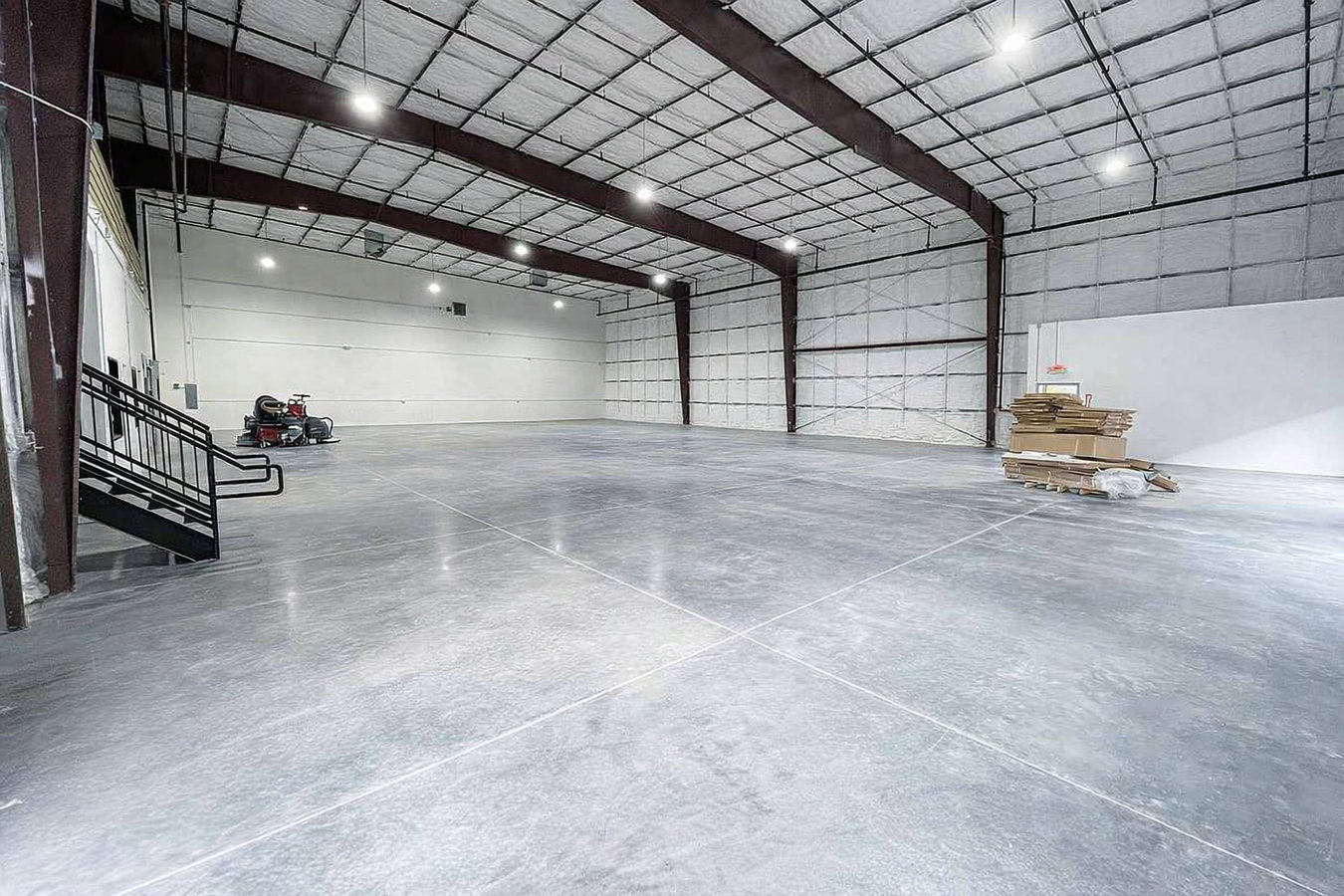
Cracked, crumbling, or uneven floor? We install concrete floors in Pomona garages, basements, and converted spaces - clay soil prepped correctly, permitted through the city, and finished for how you actually use it.
Concrete floor installation in Pomona starts with ground preparation - removing old material, compacting the soil, and laying a gravel base so the slab has something stable to sit on - then moves to the pour, finishing, and curing period. Most residential floors, including a standard two-car garage, are poured in one day of active work, with the concrete reaching walkable firmness in 24 to 48 hours and full strength over the following 28 days. A city permit is required for most interior floor work in Pomona, and the permit process adds a few business days before the crew can start.
Pomona's housing stock skews older - a large share of homes in the city were built between the 1940s and 1970s, and many still have their original concrete floors. Those slabs are often thinner than current standards, and decades of clay soil movement underneath them can leave sections cracked, sunken, or hollow. A patch job may hold for a season or two, but if the base has not been redone, the same problems come back.
For homeowners converting a garage into a living space, gym, or workshop, the floor requirements change. If the new use calls for a finished appearance rather than a plain utility slab, our garage floor concrete service covers the finishing and coating options that turn a plain slab into a surface that works for the space.
Small hairline cracks are common in older concrete, but cracks wider than a quarter-inch - or cracks where one side sits higher than the other - indicate the slab is failing. In Pomona, this is often caused by clay soil underneath swelling and shrinking with seasonal moisture changes. If you can catch a heel on the edge of a crack, it is time to talk to a contractor.
When the top layer of a concrete floor starts to break apart and come off in flakes or chunks, the surface has deteriorated past the point where patching makes sense. This kind of breakdown is more common in Pomona homes where the original floor was poured thin or without a sealer, leaving it exposed to decades of heat and vehicle traffic.
A properly installed floor is slightly sloped so water drains toward a door or drain. Standing water after rain or after hosing down the floor means the slab has either settled unevenly or was never graded correctly. Left alone, standing water works its way into the concrete and accelerates cracking and staining.
If you walk across a concrete floor and hear a hollow sound when you tap it, or certain spots feel slightly springy, the concrete may have separated from the ground beneath it. This is a common result of soil settlement in Pomona's clay-heavy areas. A floor that has lost contact with the ground underneath is more vulnerable to cracking under weight.
We install concrete floors in garages, basements, workshops, and converted living spaces throughout Pomona. Every project includes soil compaction, a gravel sub-base where conditions call for it, reinforcing mesh or rebar for slabs carrying heavier loads, and control joints to guide any natural cracking away from the middle of your floor. The thickness we pour - typically four inches for standard residential use, five to six inches for areas carrying heavier equipment or vehicles - is confirmed in writing before work starts. For homeowners whose project also involves an outdoor surface like a pool area, our concrete pool decks team can coordinate that work alongside the interior floor to reduce scheduling disruption.
We also handle full slab demolition and replacement on Pomona's older homes where the original floor has cracked, settled, or separated from the ground underneath. Replacement work includes removing the old concrete, properly disposing of the debris, correcting any soft spots or drainage issues in the subgrade, and then pouring the new slab to current standards. For homeowners combining a floor replacement with garage upgrades, our garage floor concrete service covers surface coatings and finishes that go on top of the new slab once it has fully cured.
Best for garages with an original slab that has cracked, settled, or reached the end of its service life.
For homeowners finishing a basement and needing a clean, level slab as the starting point.
Poured to the thickness needed for the actual load - heavier equipment means a thicker slab and more reinforcement.
For garage-to-living-space conversions where the existing slab is not level, thick enough, or suitable for the new use.
Pomona's clay soil is the single biggest variable in any concrete floor project here. Unlike sandy soil, which stays relatively stable, the clay beneath many Pomona homes expands when it absorbs moisture and contracts when it dries out. That movement puts stress on a slab from underneath - and if the base is not properly prepared before the pour, that stress turns into cracks. The American Concrete Institute publishes detailed guidance on slab construction for expansive soil conditions, and our crews follow those standards on every project. The hot summers here add a second challenge - concrete poured in the middle of an August afternoon in Pomona dries faster than the mix is designed for, which weakens the finished surface.
We install concrete floors across all of Pomona, including older neighborhoods closer to downtown and properties farther out toward the city's eastern edge. We also work regularly in Ontario and El Monte, where similar clay soil conditions and older housing stock create the same base prep challenges. Familiarity with local permit offices and soil profiles means fewer surprises and smoother projects from start to finish.
We respond within 1 business day to schedule a free on-site estimate. Conditions like soil type and existing slab condition change the price significantly, so an in-person visit matters. You will get a written quote with every cost separated - demo, haul-away, base prep, the pour, finishing, and permit fees.
For interior floor work in Pomona, we handle the permit application with the City of Pomona Building and Safety Division before work begins. This step usually adds a few business days to the timeline but ensures the work is inspected and documented - protecting you legally.
We remove the old slab if one exists, excavate to the correct depth, compact the soil, and lay a gravel base. On pour day, the concrete is delivered by truck, spread evenly, and finished - including control joints cut into the surface while the concrete is still workable. Most standard garage and basement floors are poured in one full day.
In Pomona's warm climate, we apply a curing compound or damp covering to prevent the surface from drying too fast. The city inspector signs off once the floor has cured. We strongly recommend sealing the finished slab to protect against staining and moisture - and we walk you through exactly what to avoid during the 28-day curing window.
Free written estimate with itemized costs. No obligation. We respond within 1 business day.
(909) 868-1669We hold a current California Contractors State License Board C-8 Concrete license - check it at cslb.ca.gov in about two minutes. Full liability and workers' compensation insurance means you are covered if anything unexpected happens during demolition or the pour.
Pomona's expansive clay soil moves with every wet and dry cycle - a floor poured without proper compaction and a gravel sub-base will show cracks within a few years. We document the base prep steps and do not skip them to save time.
Pomona summers regularly hit the mid-90s, and concrete poured in peak afternoon heat dries too fast and can crack at the surface within months. We schedule pours for early morning and use curing compounds so the floor you see in October looks the same three Augusts from now.
A large share of Pomona's homes were built between the 1940s and 1970s - that means thinner original slabs, settled ground, and sometimes surprises once the old concrete is out. We work in these neighborhoods regularly and price jobs honestly based on what we find, not just what we hope to find.
Every floor we install is permitted, base-prepped for local soil, poured to the right thickness, and finished for the way you actually plan to use the space. That combination is what makes the difference between a floor that holds up for decades and one that starts cracking within a few years.
California requires concrete contractors to hold a current state license. You can verify any contractor at cslb.ca.gov. Pomona floor installation permits are issued through the City of Pomona Building and Safety Division. The American Concrete Institute sets the industry standards that guide how concrete slabs are designed and poured.
Replace a worn or slippery pool surround with a properly sloped, slip-resistant concrete deck built for Pomona's outdoor conditions.
Learn moreUpgrade an existing garage slab with a new pour built to carry vehicle weight and resist staining from oil and fluids.
Learn moreSpring booking fills fast - contact us now to secure your installation date before the busy season.