
Loading...
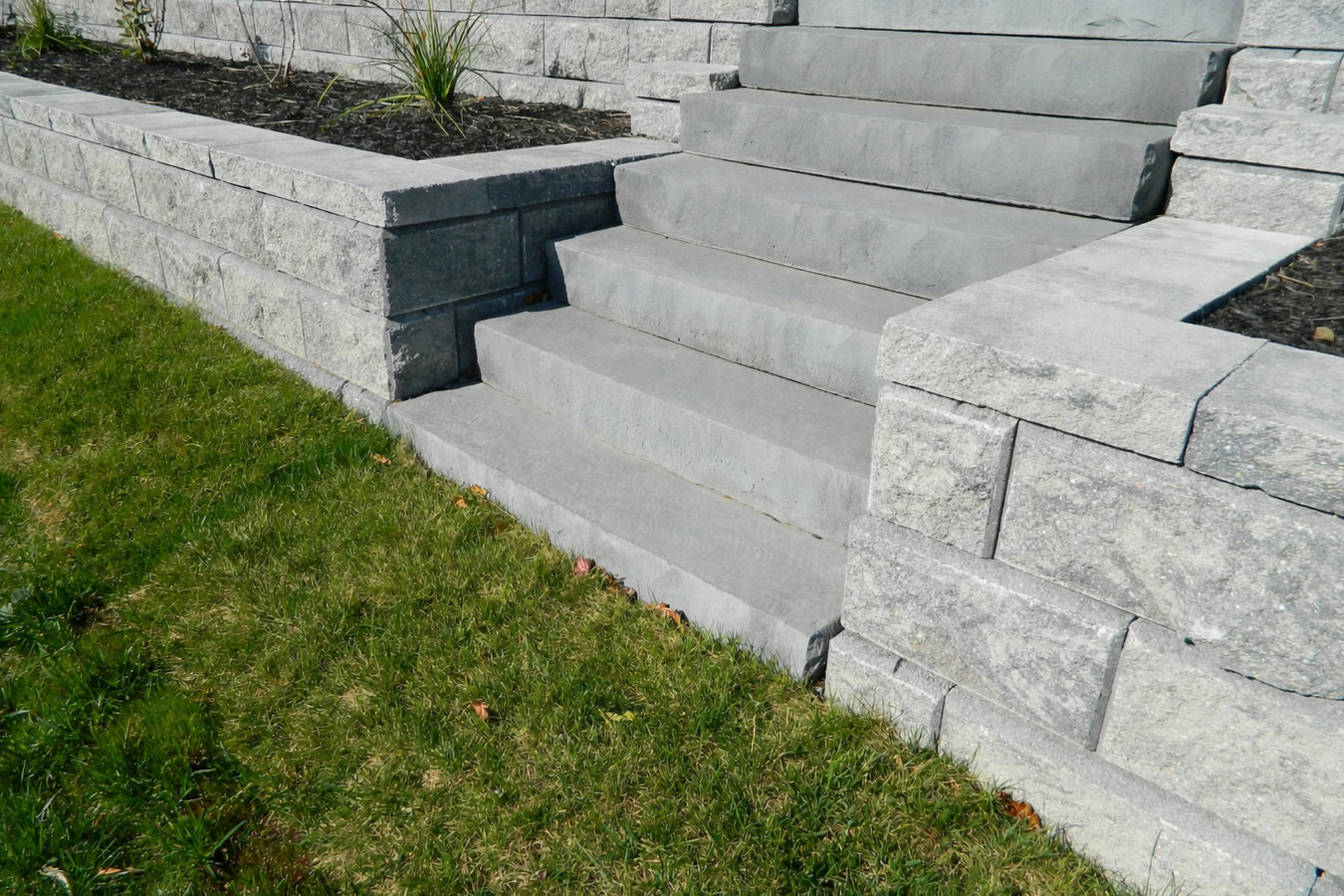
Steps cracked, uneven, or pulling away from your home? We build new concrete steps in Pomona sized for clay soil, permitted when required, and finished for safe traction.
Concrete steps construction in Pomona involves removing any failing steps, digging footings deep enough to reach stable ground below the clay layer, setting wooden forms to shape the steps, pouring reinforced concrete, and finishing the surface with a texture that provides safe grip - most residential jobs take one to two days of active work, with a 24-to-48-hour cure period before the steps can carry foot traffic.
Pomona sits on expansive clay soil that swells when wet and shrinks when dry. That constant movement puts stress on concrete steps from below - especially on steps that were originally poured on grade without a proper footing. If your home is in one of Pomona's older neighborhoods, where houses were built in the 1940s through 1970s, there is a good chance your front or back steps are sitting directly on that clay layer with no real structural support underneath.
For homeowners dealing with grade changes or sloped lots, our concrete retaining walls service can stabilize a hillside near your steps and create a safe, level entry area - coordinating both projects at once keeps the materials and finish consistent and reduces the number of separate contractor visits.
Cracks wider than a pencil line - especially ones that go all the way through an edge or corner - mean the structural integrity of the step is compromised. In Pomona, this kind of cracking often starts from clay soil shifting underneath during dry summers and wet winters. Cracks that started small and are now growing are a sign the steps need replacement, not just patching.
When the top layer of concrete starts to peel away in chips or flakes, that is called spalling, and it is a sign the concrete has broken down from the inside. On older Pomona homes - many built in the 1950s and 1960s - this is common because the original concrete mix did not include the additives used today. Spalling surfaces are also a slip hazard, especially when wet.
If one step feels higher or lower than it used to, or if you can see that the steps have pulled away from the house or tilted to one side, the footing underneath has shifted. This is a safety issue - uneven steps are one of the most common causes of trip-and-fall injuries at home. In Pomona's clay-heavy soils, this kind of settling is more common than homeowners expect.
Steps should slope very slightly away from your home so rainwater drains off and away. If you notice water sitting on the steps after rain, or worse, running back toward your foundation, the steps were either built with the wrong slope or have settled out of position. Pomona gets most of its rain between November and March, so this is easiest to spot after a winter storm.
We build new entry steps for front and back doors, garage entries, and connecting steps between grade levels on sloped properties. Every project starts with an assessment of the existing situation - how far the steps have settled, what kind of footing they currently sit on, and whether the surrounding grade has shifted. We then design a footing depth and reinforcement plan suited to the local clay soil conditions. Finish options include a standard broom texture for safe grip, a smooth troweled surface for a polished look, or a stamped pattern that matches other concrete work on your property.
For homeowners replacing original steps on older homes, we also handle the demolition and haul-away of the existing concrete - that work is quoted as a separate line item so you can compare estimates fairly. If your project includes a foundation repair or a landing slab, our slab foundation building team can coordinate that work as part of the same project window. For properties where a retaining wall is needed to stabilize a hillside near the steps, we tie that into the same scope with our concrete retaining walls service.
Best for homes where the front door sits above grade and original steps have cracked or settled.
Ideal for garages, mudrooms, or utility doors that need safe access from the driveway or yard.
Well suited for sloped properties where multiple steps connect different levels of the yard.
Pomona's clay-heavy soil is the reason so many steps in older neighborhoods have cracked, tilted, or pulled away from the house over time. Clay expands when it absorbs rainwater and shrinks back during dry stretches - that cycle repeats every year, and it puts constant stress on anything sitting on top of it. Steps that were originally poured directly on grade with no footing underneath are especially vulnerable. A contractor who understands Pomona's soil conditions digs deeper footings and sizes the reinforcement accordingly - not a one-size-fits-all approach copied from a manual.
The City of Pomona requires a building permit for steps attached to a structure, which means your project will include at least one inspection before the job is officially complete. That inspection verifies the steps were built to code - a step that protects you if you ever sell or refinance. Homeowners across the area, from neighborhoods near Ontario to the foothill streets near Fontana, face these same soil and permitting conditions. We work in all of them regularly and know exactly what local inspectors expect to see.
We respond within 1 business day to schedule a free on-site estimate. Step projects vary widely in scope - we need to measure the space, see the condition of any existing steps, and note site access before giving you a reliable price. The visit typically takes 20 to 30 minutes.
You receive a written estimate within one to two days. If your steps are attached to your home, we explain the City of Pomona permit process and handle the application for you. Permit approval typically takes a few business days to a week.
On the first day of work, we remove any existing steps and haul away the debris. We dig the footing, compact the soil, and set up the wooden forms that shape your new steps. The concrete is then poured and finished - usually in the same day - with a broom texture or decorative finish depending on what you chose.
We mark off the area and give you clear instructions: no foot traffic for 24 to 48 hours, no heavy loads for at least a week. If a permit was pulled, a city inspector schedules a visit to verify the work meets code. Once the inspection passes, the permit is closed and the job is officially complete.
Free on-site estimate. Written quote with no surprises. No obligation.
(909) 868-1669We hold a current California Contractors State License Board C-8 Concrete license - verify it at cslb.ca.gov at any time. Full liability and workers' compensation insurance means you are protected if anything unexpected happens during demolition or construction.
Expansive clay soils are a fact of life in Pomona, and they put more stress on concrete steps than stable sandy soil would. Every footing we dig is sized for the local soil conditions - not a generic depth copied from another region. That is the difference between steps that stay level and steps that settle and crack within a few years.
We have pulled building permits with the City of Pomona Building and Safety Division on step projects across neighborhoods citywide - from Lincoln Park to north Pomona and the foothill areas near the 71 freeway. That direct experience with local code officials means we know exactly what they are looking for at inspection time.
You receive a full, itemized written estimate - materials, labor, demolition, haul-away, and permit fees - before any agreement is signed. No price changes once the crew shows up. The American Concrete Institute sets the standards we follow for concrete mix design, reinforcement placement, and step dimensions.
Every step we build meets the standards set by the American Concrete Institute for reinforcement placement, riser height, and tread depth - and we verify our license status is current through the California Contractors State License Board. Those are not marketing claims - they are verifiable facts you can check before you sign anything.
Pour a monolithic slab foundation for a new structure, built to the right thickness for Pomona's clay soil and permitted by the city.
Learn moreAdd a retaining wall to hold back soil near your steps, creating a stable grade change that connects the different levels of your property.
Learn moreSpring and fall are the best times to pour concrete in Pomona - reach out now and lock in your project date before the season books solid.