
Loading...
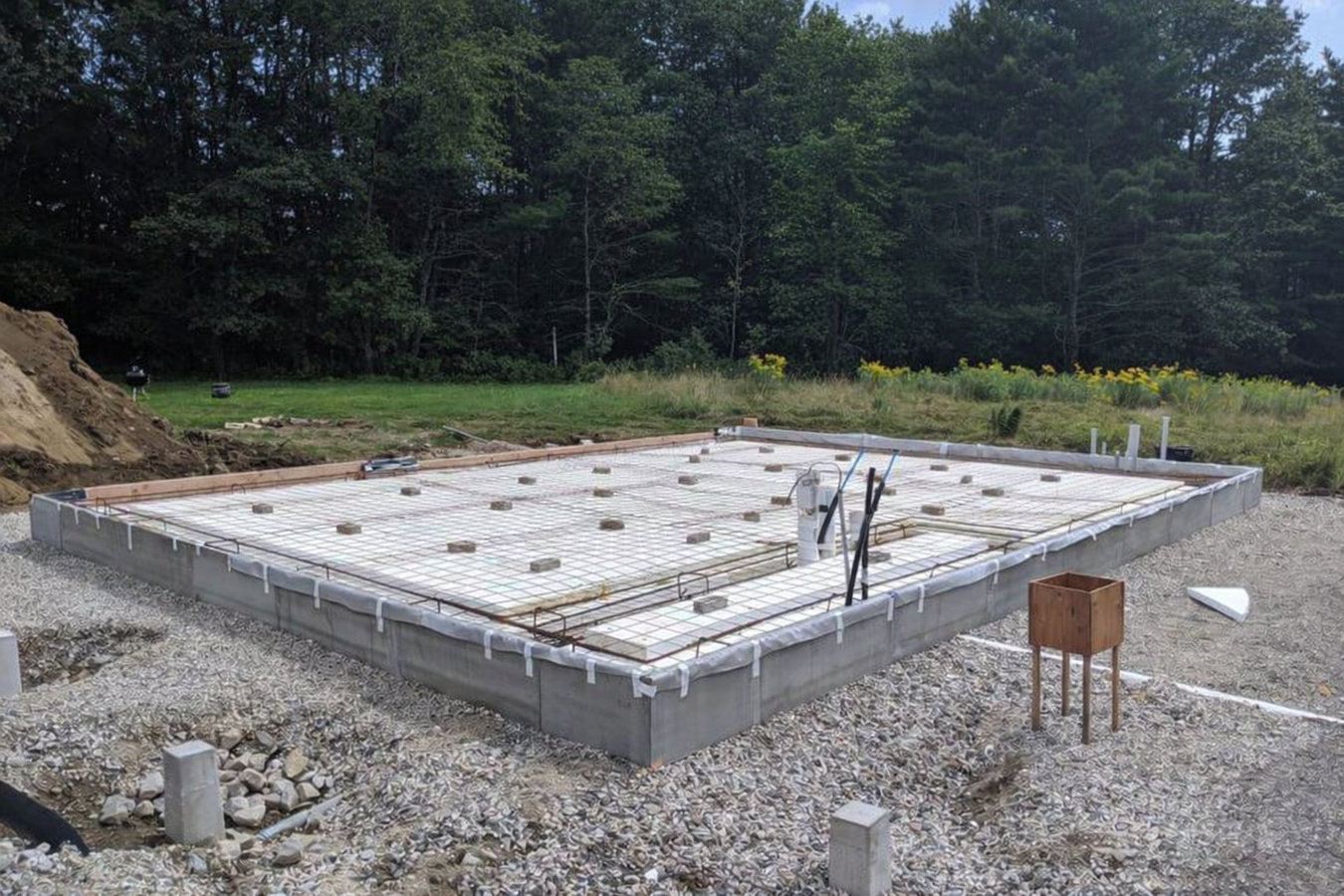
Starting a room addition, ADU, or new structure? We build slab foundations in Pomona that are engineered for clay soil, fully permitted, and built to meet California seismic standards.
Slab foundation building in Pomona pours a single reinforced concrete layer directly on prepared ground, creating both the floor and the structural base of a new structure - most residential projects take three to seven working days of active construction, plus one to three weeks for the City of Pomona permit process and about 28 days of curing before the slab reaches full strength.
Pomona's expansive clay soils are the biggest factor that separates a slab built here from one built elsewhere. Clay swells when it gets wet and shrinks when it dries, putting cyclical pressure on the concrete from below. That is why every slab we build in this area starts with proper soil compaction, a gravel base layer, and a vapor barrier - steps that are not optional on this soil type, even when they add cost.
If you are building a full new home or a large structure, our foundation installation service covers more complex foundation types and larger-scale structural pours - and uses the same permitted, inspected process from start to finish.
If you are adding a room addition, garage, detached ADU, or a new home on a vacant lot, you need a slab foundation before any walls go up. This is the starting point for every structure. In Pomona, ADU construction has increased significantly in recent years, making this one of the most common reasons homeowners call a concrete contractor.
Small hairline cracks in an older slab are often just cosmetic, but cracks you can fit a coin into - or cracks that run diagonally from doorway corners - suggest the slab is moving unevenly. In Pomona's clay-heavy soils, this kind of movement is more common than in areas with stable sandy ground. A contractor should assess whether the slab can be repaired or needs replacement.
When a slab shifts, the walls above shift too, and the first place you notice it is in doors and windows that suddenly stick, drag, or no longer latch properly. Pay attention after a wet winter followed by a dry summer - that seasonal swing causes expansive soils to move the most. It does not always mean full replacement, but it means something has changed and should be assessed.
If you place a ball on your floor and it rolls consistently in one direction, or if you feel a noticeable slope while walking through a room, the slab may have settled unevenly. This can develop gradually over years and is easy to dismiss as a quirk - but left alone, it gets worse. In older Pomona homes built before modern soil preparation standards, uneven slab settlement is a common finding.
We build new slab foundations for residential structures across Pomona - room additions, detached garages, accessory dwelling units, and new construction on vacant lots. Every project includes a soil assessment, full site preparation, vapor barrier, rebar reinforcement, and finished concrete surface. We handle the City of Pomona permit application and schedule all required city inspections. For homeowners whose project also requires standalone footing work - for posts, walls, or adjacent structures - our concrete footings service can be coordinated as part of the same mobilization.
We also handle slab replacement on existing properties where the current concrete has cracked, settled unevenly, or can no longer support a planned use. Replacement work begins with a full assessment of why the original slab failed - whether that is clay soil movement, poor drainage, undersized thickness, or missing reinforcement. For properties that also need a full structural foundation rather than a slab alone, our foundation installation team handles those larger-scope projects with the same permitted, inspected process.
Purpose-built for the permit requirements and soil conditions of Pomona residential lots.
Designed for the load requirements and drainage grade of detached structures on tight Pomona lots.
Best for properties where clay soil movement or aging concrete has compromised the current slab.
Pomona's clay-heavy soils behave differently from the sandy or rocky ground that national cost guides assume. Clay swells with winter rain and shrinks back during the long dry summer - and that seasonal movement is exactly what cracks slabs built without proper soil preparation. On top of that, Pomona is in a high seismic hazard zone under California's mapping standards, which means the rebar grid inside every slab must be denser than what you would see in a lower-risk state. Both of these factors add time and cost to foundation work here compared to what a homeowner might read in a national cost estimate.
A large share of Pomona's housing stock was built between the 1940s and 1970s, and many lots have older utility lines, mature tree roots, or buried debris from previous construction that complicates site preparation. We serve homeowners throughout the area, including Rancho Cucamonga where newer residential developments carry their own soil and grade challenges, and Ontario where mixed residential and commercial lots require careful access and permit coordination. A thorough site assessment before any quote is signed prevents cost surprises once the crew is already on your property.
We reply within 1 business day to schedule a free on-site visit. Slab pricing depends heavily on soil conditions and lot layout - a quote based on a phone description alone is not reliable. The site visit takes 30 to 60 minutes and includes a look at access, existing conditions, and any utility or tree root concerns.
After the visit you receive a written estimate that separates site prep, materials, labor, and permit fees. We then submit the permit application to the City of Pomona Building and Safety Division - plan on one to three weeks for approval before any excavation begins.
Once permitted, the crew excavates, compacts the soil, adds a gravel base layer, lays the vapor barrier, and places the rebar grid. A city inspector visits at this stage to confirm the reinforcement meets local standards before any concrete is ordered.
The pour typically takes four to eight hours for a residential slab. During Pomona's hot summers we schedule pours for early morning and use curing compounds to slow surface drying. The slab needs 24 to 48 hours before foot traffic and about 28 days to reach full strength. A final city inspection closes the permit and you receive a copy of the signed record.
Free written estimate, no obligation. We respond within 1 business day. Permit timeline and soil prep costs explained upfront.
(909) 868-1669We hold a current California Contractors State License Board C-8 Concrete Contractor license. You can look up our license at cslb.ca.gov in two minutes and check that it is active and complaint-free. Full liability and workers' compensation coverage protects you throughout the project.
Pomona's expansive clay soils require more thorough compaction and a proper gravel drainage base before any concrete is placed. We assess each lot before quoting and price the soil prep honestly - so you are not hit with add-ons once excavation starts.
We have pulled permits with the City of Pomona Building and Safety Division on slab foundation projects across the city - from ADU slabs in residential neighborhoods near Cal Poly Pomona to garage additions in the older streets near downtown. That direct experience with the local inspection process means fewer scheduling delays.
Pomona is in a high seismic hazard zone, and California's building standards require denser rebar grids and deeper perimeter footings than lower-risk states demand. We build to those standards on every project - not as an upgrade, but because it is the correct way to build here. The American Concrete Institute's guidelines for slab-on-grade construction inform how we detail every pour.
Slab foundation work is not something you want to redo. Every credential and process detail above exists to make sure your slab is right the first time - on a soil type and in a seismic zone that does not leave room for shortcuts. American Concrete Institute standards guide our mix design and curing practices on every residential pour.
Permit requirements and inspection procedures are set by the City of Pomona Building and Safety Division. You can verify any California contractor license at the California Contractors State License Board.
Full foundation installation for new homes and major structural projects, with seismic reinforcement and the city permit process handled start to finish.
Learn moreStandalone footing work for walls, posts, decks, and additions - the buried base that transfers structural loads safely into Pomona's soil.
Learn morePermits take time in Pomona - the sooner you call, the sooner we can get your project on the schedule before summer heat sets in. Free written estimate, all costs itemized.