
Loading...
Adding a room, ADU, deck, or fence? We pour concrete footings in Pomona that are dug to the right depth for local clay soil, reinforced for the seismic zone, and fully permitted before a drop of concrete goes in.
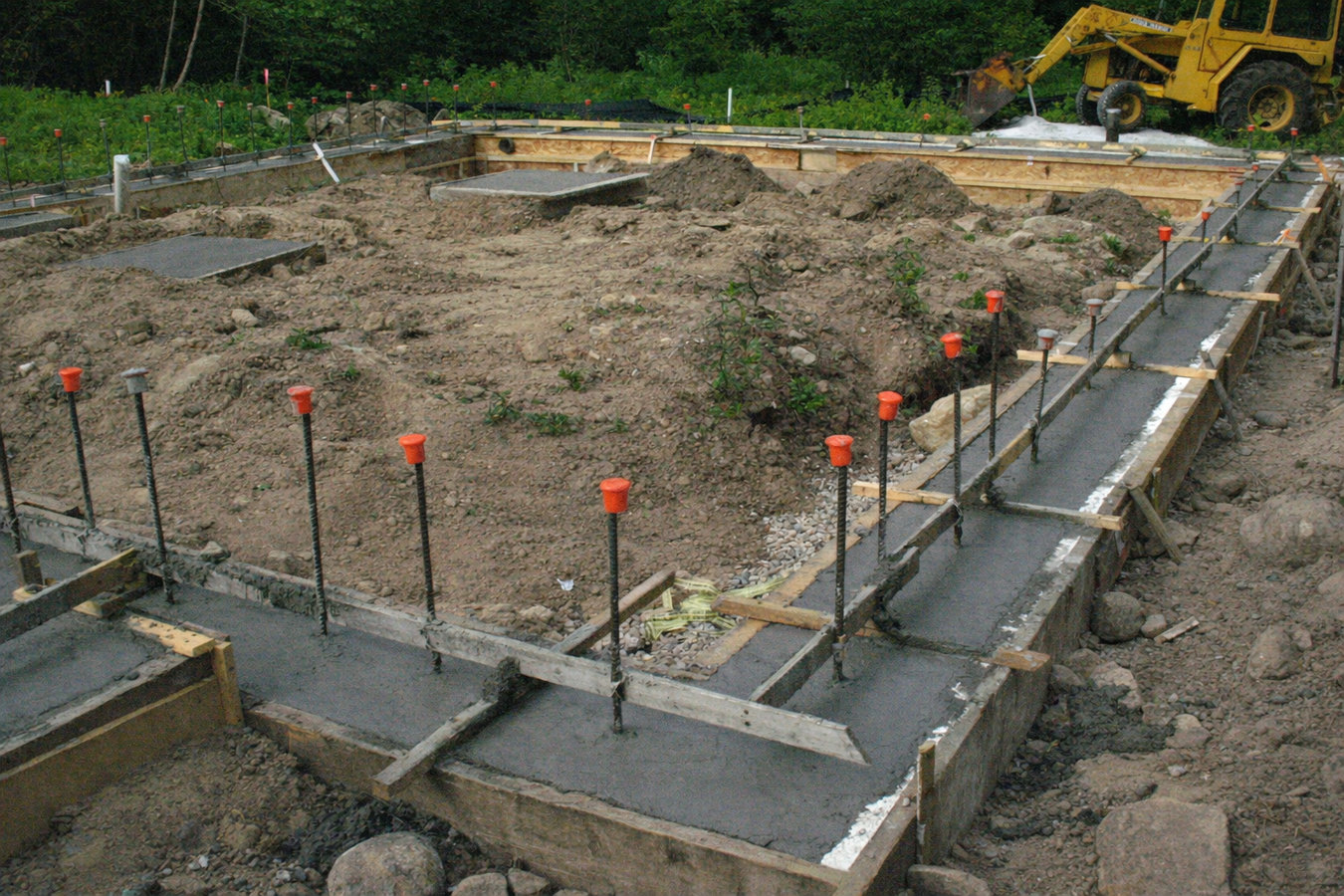
Concrete footings in Pomona are the hidden below-grade base that holds up everything above them - a wall, a deck post, a room addition, or a fence - and most residential footing projects take one to three days of active work, with the permit process through the City of Pomona adding two to four weeks before construction can begin. Because Pomona sits in a designated seismic hazard zone and on clay-heavy soil, the city's building inspector must sign off on excavation depth and steel placement before any concrete is poured.
A significant share of Pomona's homes were built between 1940 and 1970, and many owners are now adding rooms, converting garages, or building accessory dwelling units to house multiple generations or generate rental income. All of those projects start with new concrete footings, and in older homes the existing foundation often needs to be assessed before new work ties into it.
For projects that go beyond footings into a full structural base, our foundation installation service covers the complete scope from footing to stem wall, handled as one permitted project.
Any new structure attached to your home - a room addition, accessory dwelling unit, or covered patio - needs its own concrete footings before framing can begin. In Pomona, where ADU conversions and multigenerational additions are common, this is one of the most frequent reasons homeowners call a concrete contractor. If you have already talked to a designer or looked at permit requirements, footing work is likely your next step.
When a footing shifts, the frame of the house moves with it - and doors and windows are often the first place you notice. If a door that used to swing freely now drags on the floor, or a window that opened easily now sticks, the structure it sits in may have moved. In Pomona's clay-heavy soils, this kind of movement is more common than in areas with stable sandy ground, especially after a wet winter followed by a dry summer.
Cracks that run at a 45-degree angle from the corners of openings are a classic sign the structure is settling unevenly. Hairline cracks in stucco are common and often cosmetic, but cracks wider than a pencil tip or ones that have grown over time deserve a closer look. In older Pomona homes built in the 1950s and 1960s, this settling can indicate that original footings have shifted or deteriorated over decades of wet-dry soil cycles.
Fences and retaining walls need their own footings, and old post footings often deteriorate over time - especially in Pomona's soil, where clay movement and occasional heavy rain can loosen or crack them. If your fence is leaning, your retaining wall is bowing, or your gate no longer hangs straight, the footing at the base is often the culprit. Replacing just the visible structure without addressing the footing underneath is a short-term fix.
We pour continuous footings and isolated pad footings for room additions, ADUs, covered patios, decks, retaining walls, and fences throughout Pomona. Every project starts with a site visit to assess soil conditions, existing foundation elements, and the load the footing needs to carry. We then design the depth, width, and rebar layout for that specific site - not a copied standard from a different soil type or seismic zone. For projects where a complete new structural base is needed, our foundation installation service handles the full scope from footing to finished stem wall.
We also handle footing replacement for older structures where the original concrete has deteriorated or where settling has caused visible problems - sticking doors, diagonal cracks, or floors that feel uneven underfoot. Replacement work includes careful demolition of the failed footing, soil assessment, and a new pour designed for the current load and local conditions. For properties where the footing work is part of a larger structural project, we coordinate with our foundation raising team so all structural work is sequenced correctly under one permit.
Ideal for room additions, ADUs, and retaining walls where a footing runs the full length of a load-bearing wall.
Best for deck posts, pergola columns, or any point load that needs a discrete concrete base.
Suited for older Pomona homes where original footings have shifted, cracked, or settled under decades of clay soil movement.
Pomona's expansive clay soil is the single biggest local factor in footing design. Clay swells when it absorbs water and shrinks when it dries out, and that push-and-pull cycle happens every year with the wet and dry seasons. Over time it cracks footings and causes the structures above them to shift. A contractor working in Pomona who does not specifically account for this soil type - by recommending the right depth and steel reinforcement - is working from a template designed for a different place. The California Geological Survey maps the seismic and soil hazard zones that govern how footing work must be done across the state, and Pomona sits in a zone that requires more steel reinforcement than many other California cities.
The ADU boom has also changed the footing work landscape in Pomona's older residential neighborhoods. Homeowners converting garages or adding backyard units are often tying new footings into original 1950s foundations that were not built to current seismic standards. That assessment step - checking what is already there before new work ties in - is something experienced local contractors do as a matter of course. We serve homeowners throughout Pomona and neighboring cities, including clients in Rancho Cucamonga and Fontana, where the same clay soil and seismic conditions apply across the western Inland Empire.
We respond within 1 business day to schedule a free on-site assessment. We will ask basic questions about what you are building and where on your property - this helps us flag anything that could affect timeline, like soil conditions or proximity to a property line. You do not need to have all the answers ready.
A contractor visits your property in person to assess the footing location, check for soil or drainage issues, and measure the scope. In Pomona, we note whether your lot is in an area known for clay soil or seismic sensitivity - both affect how the footings need to be designed. You receive a written estimate that separates labor, materials, and permit fees.
For any footing work connected to a structure, we apply for a building permit through the City of Pomona's Building and Safety Division. You do not need to visit city hall - we handle the entire process. Permit approval timelines vary, so we give you a realistic estimate before you commit to a start date.
The crew digs the footing holes or trenches, places and ties the steel reinforcement, and waits for the city inspector to sign off before any concrete goes in. Once the inspector approves, we pour the same day or the next morning. After the pour, concrete needs at least a week before framing begins on top of it.
Free written estimate. Permit process handled for you. We respond within 1 business day.
(909) 868-1669We hold a current California Contractors State License Board C-8 Concrete license - verify it at cslb.ca.gov anytime. Full liability and workers compensation coverage means you carry no exposure if something unexpected happens during excavation or steel placement.
Pomona falls within a designated seismic hazard zone in California, and much of the city sits on expansive clay soil. Both conditions affect how footings must be designed and reinforced. We have done footing work in Pomona's specific neighborhoods - including older housing stock areas where soil and original foundation conditions add complexity.
We never pour concrete before the City of Pomona's building inspector has approved the excavation and steel placement. That third-party verification is recorded with the city and protects your project's value - especially if you ever sell, refinance, or file an insurance claim on work done at the property.
You receive a full, itemized written estimate - excavation, steel, concrete, and permit fees - before any agreement is signed. No price changes once work begins. Footing standards we follow are published by the American Concrete Institute and enforced by the City of Pomona Building and Safety Division.
Every footing project we complete in Pomona is fully licensed, permitted through the City of Pomona Building and Safety Division, and designed for the soil and seismic conditions on your specific lot. We have worked on ADUs, room additions, deck projects, and fence lines across Pomona's older neighborhoods where the combination of clay soil and original 1950s foundations adds complexity most out-of-area contractors are not prepared for.
Verify any contractor's California license at cslb.ca.gov before signing any contract. Footing permits in Pomona are issued by the City of Pomona Building and Safety Division, which also conducts the pre-pour inspection.
Lift and re-level an existing foundation that has settled or shifted, restoring your home's structural alignment before problems compound.
Learn morePour a complete new foundation for an addition or new structure, from the footings below grade to the stem wall above.
Learn morePermit slots through the City of Pomona fill up - reach out now to get your project in the queue before summer construction season peaks.